

Hey there, folks! As a floor scraper supplier, I've seen it all when it comes to getting the most out of these handy tools. Whether you're a professional contractor or a DIY enthusiast, operating a floor scraper efficiently can save you a ton of time and energy. So, let's dive into some tips and tricks on how to use a floor scraper like a pro.
Preparing for the Job
First things first, you gotta get everything ready before you start scraping. It's like prepping for a big game - you don't want to be scrambling around looking for stuff halfway through.
Inspect the Floor: Take a good look at the floor you're going to scrape. Check for any cracks, bumps, or other issues that could affect the scraping process. If there are loose tiles or debris, clean them up. You'll also want to note the type of surface you're working on, like concrete, wood, or vinyl. Different surfaces may require different techniques and tools.
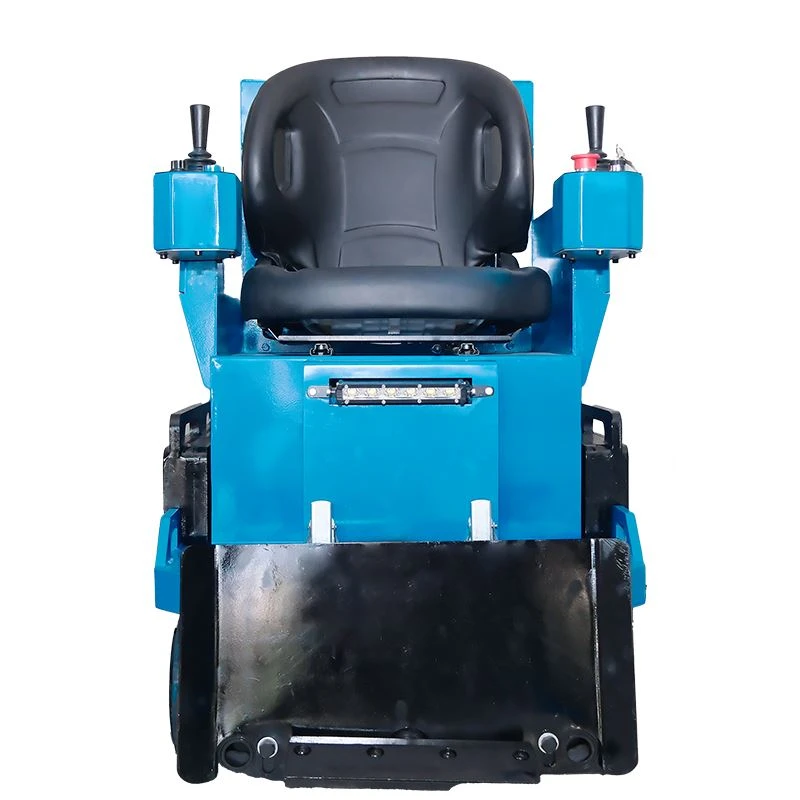
Choose the Right Scraper: This is crucial. There are all sorts of floor scrapers out there, from manual ones to electric and battery-powered models. If you're working on a small area, a manual scraper might do the job. But for larger areas, you'll probably want to go for an electric or Battery Floor Scraper. They're faster and less tiring. And if you're looking for a scraper that's easy to move around and doesn't need to be plugged in all the time, a Lithium Battery Floor Scraper is a great option. It gives you the freedom to work anywhere without worrying about cords.
Gather Your Tools: Besides the scraper, you'll need a few other tools. A dustpan and brush are essential for cleaning up the scraped debris. You might also want to have some safety gear, like gloves and goggles, to protect yourself from flying bits and dust. If you're using an electric scraper, make sure you have a good extension cord that's long enough to reach the areas you'll be working on.
Setting Up the Scraper
Once you've got everything ready, it's time to set up your scraper.
Adjust the Blade: The blade is the most important part of the scraper. Make sure it's sharp and properly installed. If the blade is dull, it won't scrape effectively, and you'll end up spending more time and effort. You can adjust the angle of the blade depending on the type of floor and the material you're scraping. For a harder surface, you might want to set the blade at a steeper angle to get more leverage.
Test the Scraper: Before you start scraping the entire floor, do a test run in a small, inconspicuous area. This will help you get a feel for how the scraper works and adjust the settings if needed. You can check if the blade is cutting through the material smoothly and if the scraper is moving easily across the floor.
Check the Power and Battery: If you're using an electric or battery-powered scraper, make sure it's fully charged or plugged in. You don't want to be in the middle of a job and have the scraper die on you. Also, check the power cord for any damage and make sure the battery is properly connected.

Scraping Techniques
Now that your scraper is all set up, it's time to start scraping. Here are some techniques to help you work efficiently.
Go in the Right Direction: When you're scraping, it's usually best to go in the same direction as the grain of the floor. This will make the scraping process smoother and prevent the blade from getting stuck. For example, if you're scraping a wooden floor, follow the direction of the wood grain.
Use Steady Pressure: Apply a steady, even pressure on the scraper as you move it across the floor. Don't press too hard, or you could damage the floor. But also don't be too gentle, or the blade won't cut through the material. It takes a bit of practice to find the right balance.
Work in Sections: Instead of trying to scrape the entire floor at once, break it up into smaller sections. This will make the job more manageable and help you keep track of your progress. You can start from one corner of the room and work your way across.
Clean as You Go: As you scrape, stop every now and then to clean up the debris. This will prevent it from getting in the way and make it easier to continue scraping. Use your dustpan and brush to sweep up the scraped material and put it in a trash bag.
Efficiently Using a Floor Scraper in Different Situations
Removing Floor Tiles: If you're removing floor tiles, a Floor Tile Scraper is your best friend. Start by inserting the blade under the edge of the tile and gently pry it up. Once the tile is loose, you can use the scraper to remove any adhesive left on the floor. Be careful not to damage the subfloor while you're doing this.
Indoor Floors: When working on Indoor Floor Scraper, you need to be extra careful about dust and noise. You might want to use a dust mask to protect yourself from inhaling dust, and you can also try using a scraper with a quiet motor if possible. Also, make sure to protect any nearby furniture or walls from getting scratched or damaged.
Troubleshooting and Maintenance
Sometimes, things don't go as smoothly as planned. Here are some common problems you might encounter and how to fix them.
Blade Getting Dull: If the blade starts to get dull, it won't scrape effectively. You can either sharpen the blade using a blade sharpener or replace it with a new one. It's a good idea to keep a few extra blades on hand so you can quickly swap them out when needed.
Scraper Not Moving Smoothly: If the scraper is having trouble moving across the floor, it could be because the blade is clogged with debris. Stop the scraper and clean the blade. You can also check if the wheels or rollers on the scraper are dirty or damaged and clean or replace them if necessary.
Battery or Power Issues: If you're using a battery-powered scraper and the battery drains quickly, make sure you're using the correct charger and that the battery is properly charged. If the problem persists, the battery might be worn out and need to be replaced. For electric scrapers, check the power cord for any loose connections or damage.
Maintenance Tips
To keep your floor scraper in good condition and ensure it works efficiently for a long time, you need to do some regular maintenance.
Clean After Use: After each use, clean the scraper thoroughly. Remove any debris from the blade, wheels, and body of the scraper. You can use a brush or a damp cloth to clean it. Make sure the scraper is completely dry before storing it.
Lubricate Moving Parts: If your scraper has any moving parts, like wheels or bearings, lubricate them regularly to keep them running smoothly. You can use a light machine oil or a lubricant specifically designed for the scraper.
Store Properly: Store your scraper in a dry, safe place. If possible, keep it in a case or a storage rack to protect it from damage.
Conclusion
Operating a floor scraper efficiently is all about preparation, technique, and maintenance. By following these tips, you can get the job done faster, with less effort, and achieve better results. Whether you're scraping a small area in your home or a large commercial floor, using the right tools and techniques will make a big difference.
If you're in the market for a high-quality floor scraper, we've got you covered. Our High Efficiency Floor Scraper is designed to make your scraping tasks a breeze. Contact us to discuss your needs and start your purchase negotiation today!
References
- Common Sense Construction Practices: Floor Scraping Basics
- Practical Guide to Floor Maintenance and Repair


